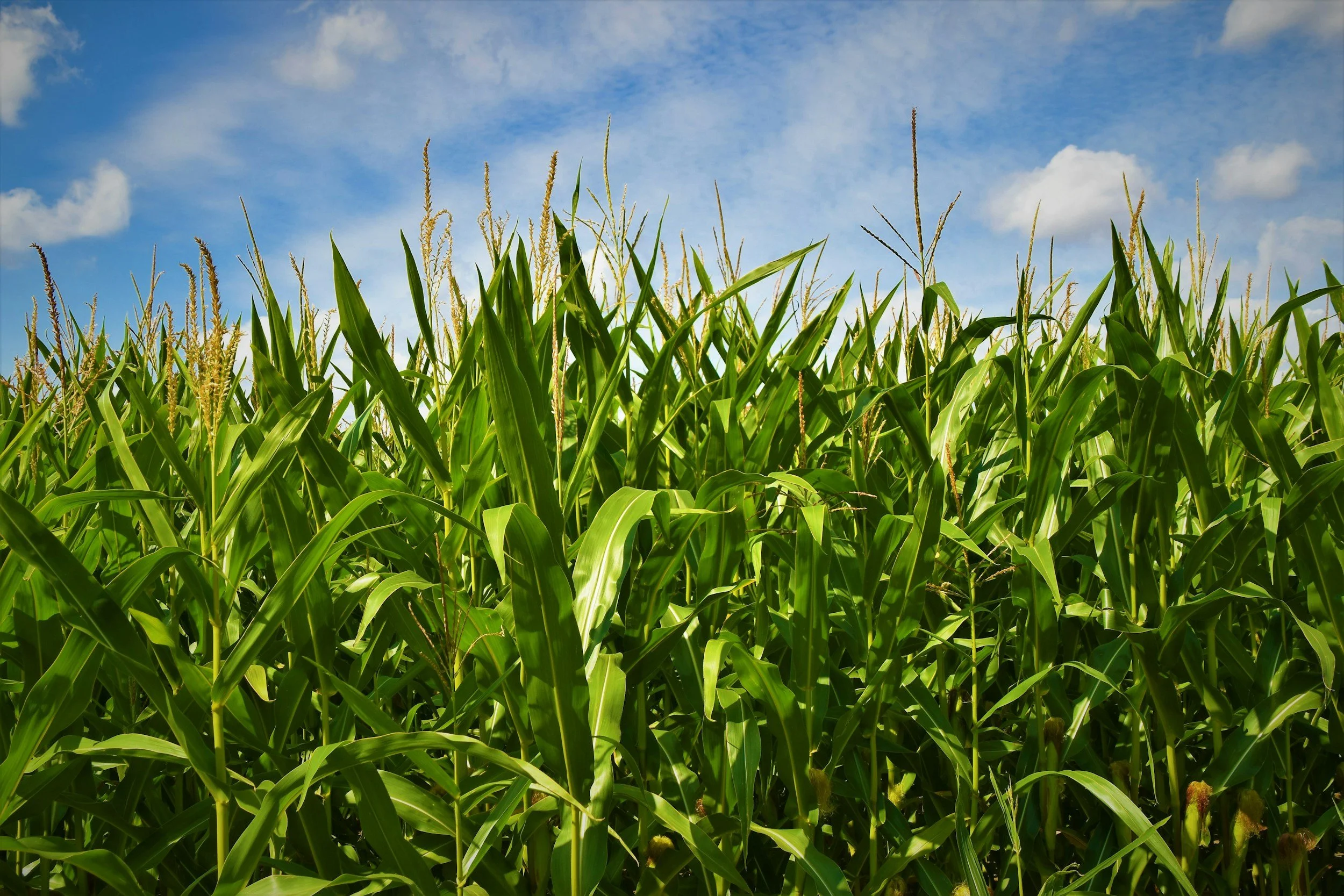
Fate and Implications of Microplastics and PFAS Contributions from Fertilizer Applications in Agroecosystems
Significance: Emerging contaminants, including microplastics (MPs) and per- and polyfluoroalkyl substances (PFAS), are consistently found in agroecosystems. Recent regulatory changes regarding PFAS and preliminary data exhibiting PFAS and MPs impact on nitrogen cycling, emphasize the urgent need to understand MPs and PFAS occurrence, fate, and effects on nitrogen processes under realistic conditions.
Objective:
Determine nitrogen transformation rates in agricultural soil and downstream wetlands receiving varying MP and PFAS mixtures.
Quantify MP and PFAS transport and persistence in agroecosystems receiving varying fertilizer amendments.
Evaluate beneficial reuse amendments to sequester nutrients, PFAS, and MPs to minimize environmental implications.
Anticipated Outcomes: The proposed work will elucidate implications of MPs and PFAS to nitrogen cycle pathways in agroecosystems using realistic conditions for the first time by utilizing coupled microcosm and field scale assessments in two distinct regions of the United States. Expected deliverables include: i) realistic recommendations for minimizing environmental impacts of nitrogen, PFAS, and MPs to water resources, ii) methodology for determining PFAS and MPs persistence that will be transferable and scalable to other questions related to emerging contaminants impact to water quality in agroecosystems, iii) predictive kinetic modeling for nitrogen, PFAS, and MPs in agroecosystems, and iv) K-12, undergraduate, and graduate training.
Funded: USDA NIFA
Graduate Student: Prasanna Ghimire (MS) and William Rud (PhD)